Gentle Healing: Non-Surgical Tactics for Shoulder Relief

Shoulder pain can be a frustrating obstacle, limiting your ability to work, exercise, or even perform simple tasks like reaching for an item on a high shelf. Fortunately, non-surgical shoulder relief options can restore comfort and function without invasive procedures.
Physical therapy offers gentle, evidence-based strategies that address pain and improve mobility for long-term relief.
Understanding Common Shoulder Conditions and Injuries
Rotator Cuff Injuries: The Everyday Challenge
The rotator cuff is a group of muscles and tendons that stabilize the shoulder joint. Injuries to this area, such as tears or strains, often result from repetitive motions or overuse. Symptoms include weakness when lifting or rotating the arm, pain during movement or rest, and limited range of motion. Left untreated, these injuries can lead to chronic discomfort and restricted mobility.
Shoulder Impingement: When Movements Hurt
Repetitive overhead activities, such as swimming or painting, can lead to shoulder impingement. This occurs when tendons in the shoulder are compressed, causing pain and irritation. Individuals often feel discomfort when raising their arms or sleeping on the affected side. If addressed early, physical therapy can help reduce the inflammation and restore natural movement patterns.
Frozen Shoulder (Adhesive Capsulitis): Stiffness and Pain Combined
Frozen shoulder is characterized by severe stiffness and pain that develops gradually, often following an injury or prolonged immobility. Over time, the shoulder’s range of motion becomes significantly limited, making it difficult to perform everyday tasks. Early intervention through mobility exercises and manual therapy can help reverse this condition.
Shoulder Instability: A Joint That Feels Loose
Shoulder instability arises from dislocations, stretched or torn ligaments that allow the joint to slip out of place. It’s common among athletes or individuals with hypermobile joints. Symptoms include clicking or popping sensations, discomfort during specific movements, and a general feeling of looseness. Physical therapy focuses on strengthening the supporting muscles to stabilize the joint.
Arthritis of the Shoulder: Wear and Tear Over Time
Osteoarthritis, caused by the breakdown of cartilage in the shoulder joint, is a common source of chronic pain and stiffness. This wear-and-tear condition may cause aching pain during or after activity, swelling in the joint, and reduced mobility over time. Physical therapy emphasizes exercises and techniques that preserve joint function and alleviate discomfort.
Non-Surgical Shoulder Relief with Physical Therapy
Manual Therapy: Hands-On Pain Relief
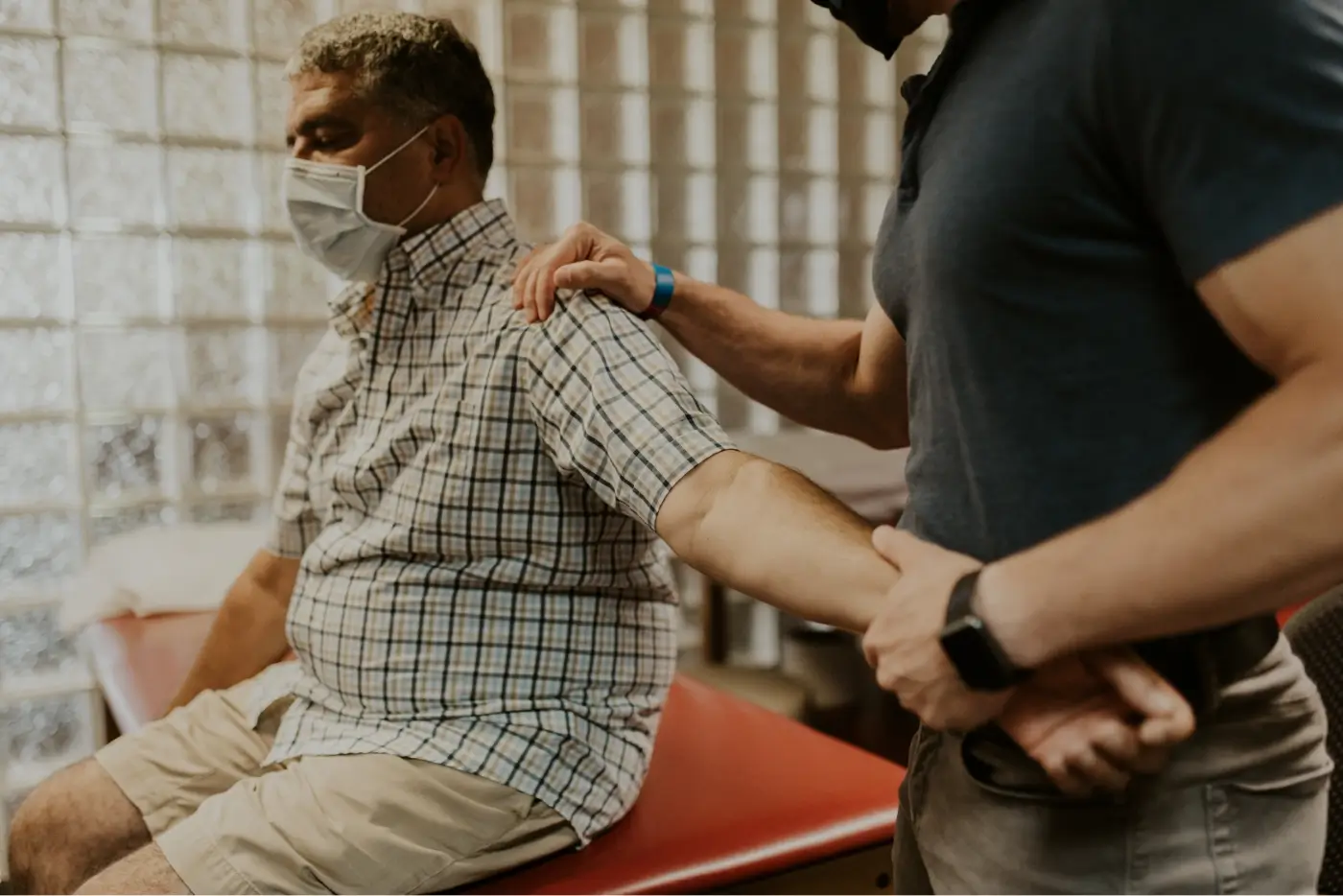
Physical therapists use hands-on techniques to relieve pain and improve mobility. Soft tissue manipulation helps reduce muscle tension, while joint mobilization can enhance range of motion and ease stiffness. These targeted interventions can provide immediate relief while setting the stage for long-term improvements.
Restoring Mobility for Daily Comfort
Regaining movement is essential for relieving shoulder pain. Mobility exercises are designed to gradually restore your ability to perform daily tasks. These exercises focus on improving the shoulder’s range of motion without placing unnecessary strain on the joint.
Strengthening for Stability and Support
Building strength in the muscles surrounding the shoulder enhances joint stability and reduces pain. Therapists often recommend resistance band workouts to target stabilizing muscles and help reinforce proper shoulder alignment. Strength training also helps protect the joint from future injury by improving overall stability.
Perfect Posture: A Foundation for Shoulder Health
Proper posture plays a vital role in maintaining shoulder health. Therapists often assess postural alignment to correct slouching or rounded shoulders, which can place undue strain on the joint. Simple adjustments, such as maintaining your ideal posture or optimizing your workstation setup, can significantly reduce stress on the shoulders and improve long-term comfort.
Patient Education: Preventing Future Pain
Education is a cornerstone of effective physical therapy. Learning proper movement patterns, like safe lifting techniques or adapting daily activities, can prevent re-injury. Therapists also provide guidance on managing training loads or incorporating preventative exercises into your routine to maintain optimal shoulder health.
Take the First Step Toward Lasting Shoulder Relief
Ready to experience gentle, non-surgical shoulder relief? Trilogy Physical Therapy specializes in evidence-based physical therapy treatments that address the root cause of your shoulder pain.
Contact us today to schedule an appointment and take the first step toward comfortable, pain-free movement.