Surprising Risk Factors That Could Be Causing Your Hip Pain

Hip pain can be frustrating, limiting your ability to move freely and enjoy everyday activities. Often, the risk factors of hip pain are more surprising than you might think. From hidden risk factors to specific conditions, understanding what contributes to discomfort is the first step toward relief.
Fortunately, physical therapy offers effective solutions to address hip pain risk factors and improve mobility.
Common Hip Conditions Treated by Physical Therapists
Hip pain often stems from underlying conditions that affect the joint, muscles, or surrounding tissues. Here are the most common conditions physical therapists treat:
Hip Osteoarthritis: The Joint’s Natural Wear and Tear
As cartilage in the hip joint wears down over time, osteoarthritis can develop. This condition is more common with age and often causes:
- Stiffness in the morning or after sitting for long periods
- Pain during activities like walking or climbing stairs
- Decreased range of motion in the hip joint
Hip Bursitis: Inflammation in the Cushioning Sacs
Bursitis occurs when the bursae—small sacs that reduce friction between tissues—become inflamed. Repetitive movements or prolonged pressure on the hip can cause this condition. Symptoms include:
- Pain localized to the outer hip
- Swelling or tenderness in the affected area
- Discomfort during activities like lying on the side or walking
Hip Labral Tears: A Misstep in Joint Stability
The labrum is a cartilage ring that helps stabilize the hip joint. Tears in this cartilage can occur due to sports injuries, trauma, or structural abnormalities. Symptoms often include:
- A clicking or locking sensation in the hip
- Pain during specific movements, like twisting or squatting
- Feelings of instability in the joint
Risk Factors That Can Lead to Hip Pain
Age and Joint Degeneration: Time Takes Its Toll
- As we age, the natural wear and tear on cartilage increases the risk of hip-related conditions. Osteoarthritis is particularly common among older adults due to the gradual breakdown of joint structures. Staying active and maintaining joint health can help mitigate these effects.
Lifestyle and Activity Choices: Movement Matters
- How you move—and how often—can significantly impact your hips. Activities that involve repetitive strain, such as running on uneven surfaces, improper lifting, or improper exercise form, can contribute to hip pain. Conversely, a sedentary lifestyle weakens the supporting muscles, increasing stress on the joint.
Poor Posture and Body Mechanics: Everyday Habits Add Up
- Improper posture or movement patterns can place undue strain on the hips. Sitting for extended periods with poor alignment or lifting incorrectly can gradually wear down the joint and surrounding tissues, leading to chronic discomfort.
Physical Therapy Solutions for Hip Pain
Manual Therapy: Hands-On Pain Relief
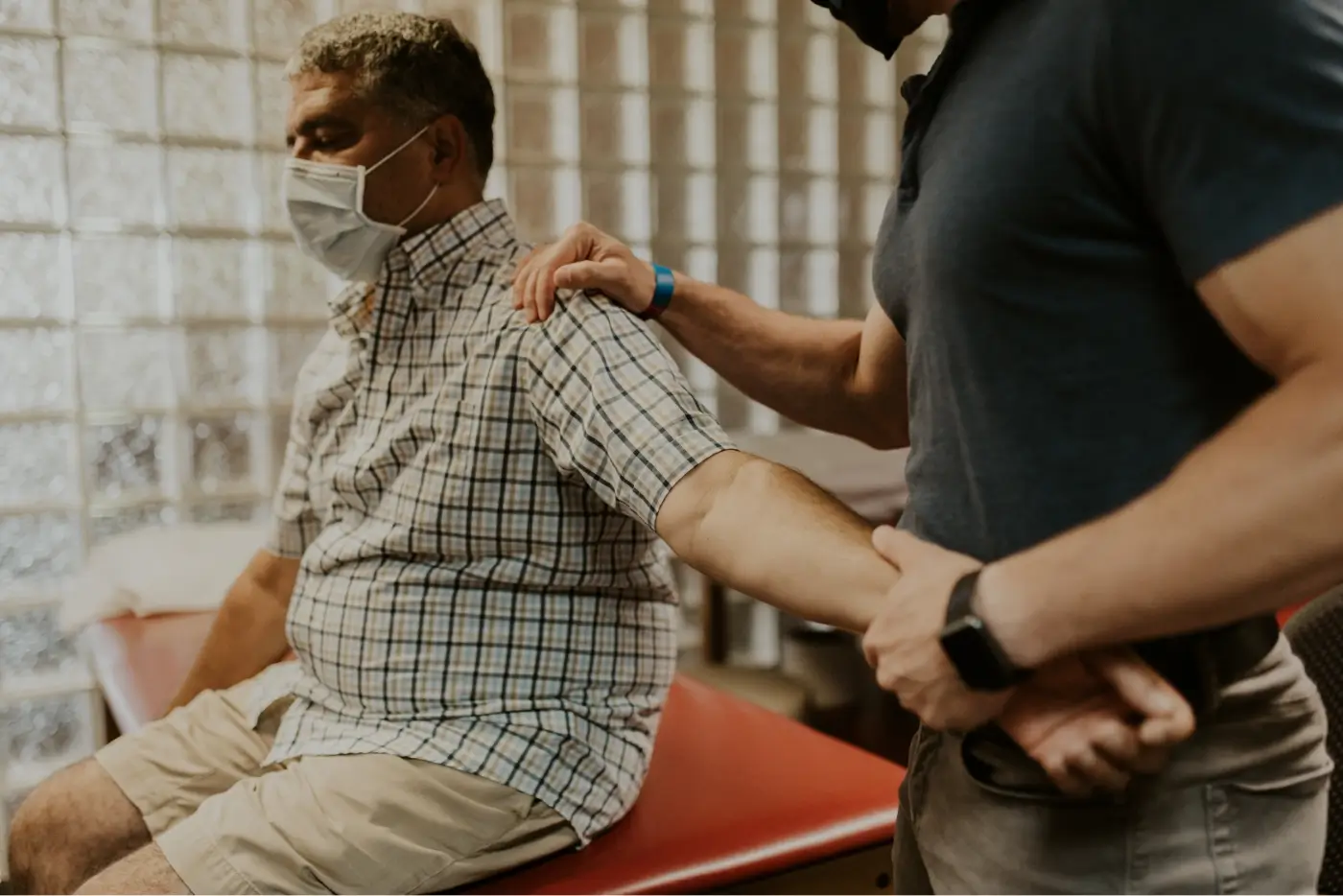
Manual therapy techniques are effective for addressing pain and restoring mobility. Physical therapists use methods like soft tissue mobilization to release tension in muscles and joint manipulation to improve range of motion. These targeted approaches help reduce inflammation and alleviate discomfort.
Restoring Mobility: Move with Ease Again
Limited mobility can exacerbate hip pain. Physical therapy focuses on exercises designed to improve movement without overloading the joint. For example:
- Hip stretches to loosen stiff areas
- Gradual motion exercises to promote mobility and ease of movement
These movements are tailored to your needs, ensuring steady progress toward greater mobility.
Strengthening and Stability Exercises: Build a Solid Foundation
Strengthening the muscles that support the hips is essential for reducing pain and preventing further injury. A physical therapist may recommend exercises like:
- Movements that target glutes and hamstrings
- Targeted exercises to engage stabilizing muscles
- Resistance band exercises for controlled strengthening
Building strength in the surrounding muscles ensures better joint stability and long-term relief.
Education on Posture and Movement: Prevent Pain from Returning
One of the most powerful tools in managing hip pain is learning to move correctly. Physical therapists provide guidance on finding your ideal posture, safe lifting techniques, and how to avoid harmful movements. Small adjustments in daily habits can make a big difference in protecting your hips from strain.
Take the First Step Toward Hip Pain Relief
Understanding the risk factors of hip pain and addressing them can significantly improve your quality of life. At Trilogy Physical Therapy, our expert physical therapists specialize in evidence-based treatments to target the root causes of discomfort. Contact us today to schedule an appointment and start your journey toward pain-free movement.