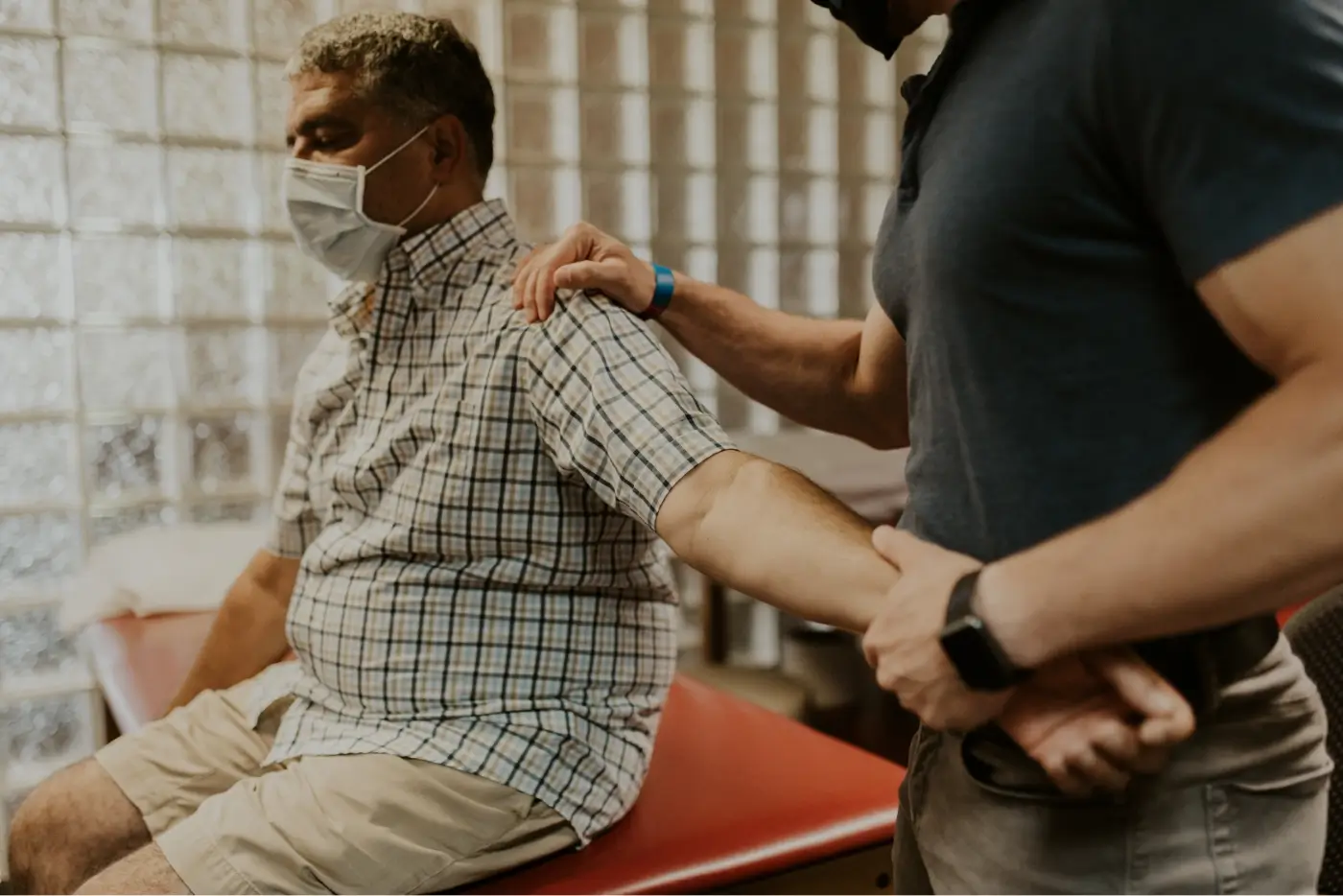
Understanding and Recovering from an ACL Tear
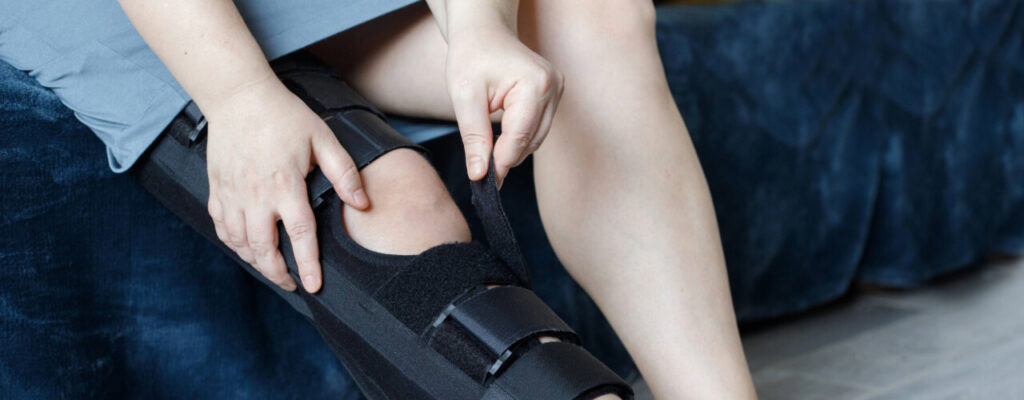
For Jake (not his real name), a competitive soccer player, the day he tore his ACL was one he would never forget. The sharp pain in his knee as he pivoted to avoid an opponent ended not just his game but his entire season. What followed was a year-long journey of physical and emotional challenges, but it was also a story of resilience and recovery. With the help of the team at Trilogy Physical Therapy, Jake navigated the lengthy process of healing from an ACL tear and regained the confidence to return to the field stronger than ever.
The Anatomy of an ACL Tear: Why Healing Takes Time
The anterior cruciate ligament (ACL) is a critical stabilizer of the knee joint, helping to control forward and rotational movements. When the ACL is torn, either partially or completely, it compromises the knee’s stability and function.
Recovering from an ACL tear is a long process, particularly for those who undergo reconstruction surgery. Unlike muscles, ligaments have a limited blood supply, which slows the healing process. For surgical repairs, the new graft used to replace the ACL undergoes several distinct stages:
Necrosis:
- In the first few weeks, the graft tissue dies as it adjusts to its new environment.
Proliferation:
- Over the next several months, new cells and blood vessels grow into the graft, gradually strengthening it.
Remodeling:
- This final phase, lasting up to a year or more, involves the graft maturing into a structure that mimics the original ACL.
While the knee may feel better within a few months, the physiologic healing process continues long after visible symptoms subside. This is why adhering to a structured rehabilitation plan is crucial for avoiding reinjury and ensuring long-term success.
Jake’s First Steps: Building a Foundation for Recovery
Jake’s journey began with an initial consultation at Trilogy Physical Therapy, where his physical therapist explained the full timeline for ACL recovery, which was not a few months but would take at least a year. In the early phase of his rehabilitation, he focused on:
Managing Swelling and Pain:
- Ice, compression, and gentle movement exercises helped reduce pain, inflammation and improve blood flow to the knee.
Restoring Basic Mobility:
- Jake’s therapist introduced controlled range-of-motion exercises to prevent stiffness and maintain joint flexibility.
Protecting the Graft:
- During the first few months, the graft was in its most vulnerable stage. Jake learned how to avoid unnecessary strain while staying as active as possible.
This phase was slow and deliberate, setting the groundwork for more advanced stages of recovery.
Progressing Through the Phases: Slow and Steady Wins the Race
As Jake’s rehabilitation progressed, he often felt ready to push harder. However, his physical therapist emphasized the importance of waiting for objective benchmarks to ensure his ACL was prepared for increased activity. These included:
Regaining Strength:
- Strengthening the quadriceps and hamstrings was essential to support the knee and restore balance between opposing muscle groups.
Achieving Full Range of Motion:
- Jake worked on regaining his ability to bend and straighten his knee without pain or compensation fully.
Meeting Functional Movement Goals:
- Tasks like single-leg balance, controlled squats, and gait symmetry were closely monitored to track progress.
Preparing for the Return to Sport: Jake’s Final Stretch
As Jake neared the end of his recovery, his physical therapist began introducing sport-specific drills to prepare him for the demands of soccer. Exercises focused on:
Advanced Strengthening:
- Building explosive power and agility to handle rapid changes in direction.
Dynamic Balance and Coordination:
- Drills that mimicked game scenarios helped Jake regain confidence in his movements.
Objective Testing:
- Functional tests, such as single-leg hop tests and agility runs, ensured Jake met all the criteria for a safe return to sport.
This phase was as much about mental readiness as physical preparation, and Jake credited his therapist for helping him feel confident in his knee’s ability to handle the pressures of competition.
A Year Later: Jake’s Successful Comeback
One year after his injury, Jake returned to the soccer field for his first game since the ACL tear. With the guidance of Trilogy Physical Therapy and a comprehensive rehabilitation plan, he regained his strength and learned the importance of patience and persistence.
For anyone recovering from an ACL tear, the road can be long and challenging, but with expert guidance and a structured approach, a full recovery is possible.
Contact us today to schedule an evaluation and take the first step toward reclaiming your mobility and confidence!