

Stronger Knees Start Here: Total Knee Replacement Rehab at Trilogy
- At Trilogy, we understand that a successful knee replacement doesn’t start—or end—in the operating room. Our Total Joint Rehabilitation Program offers a comprehensive, research-backed approach to both pre- and post-surgical care. Before surgery, patients meet with expert therapists to build strength, improve mobility, and prepare for recovery with customized education and exercises. Post-operatively, we ensure a smooth transition with immediate follow-up, regular progress checks, and protocols designed to help patients meet critical range-of-motion milestones.
- What makes our program stand out? Access to innovative tools like “Game Ready” compression therapy, blood flow restriction cuffs, and home-based electrical stimulation, as well as priority scheduling and ongoing surgeon communication. Our goal is to reduce complications, speed recovery, and empower patients to reclaim mobility and independence with confidence.

Staff Spotlight: Dr. Lauren Head PT, DPT
Trilogy’s Total Joint Rehabilitation Program was developed by Dr. Lauren Head, a passionate and dedicated physical therapist committed to guiding her patients through every step of their recovery journey. With years of experience treating orthopedic conditions, Dr. Head recognized the critical need for a more cohesive and supportive pre- and post-operative experience for total knee patients. Her vision was clear: build a program that prioritizes preparation, education, and accountability—empowering patients to achieve the best outcomes possible. Driven by her unwavering commitment to patient success, Dr. Head ensures each element of the program is rooted in evidence-based care and individualized support, helping patients regain strength, mobility, and confidence.
Joint Effort: Understanding Knee Health & Arthritis
Total knee replacements are just one part of the larger picture when it comes to joint health. Many people experience pain, stiffness, or limited mobility long before surgery is ever considered. That’s why it’s important to recognize the signs of joint degeneration early and explore conservative treatment options, including physical therapy, that can help delay—or even prevent—the need for surgical intervention. In the sections that follow, we dive deeper into common knee and joint conditions, including arthritis, and how you can take proactive steps to protect your joints and stay moving.
Managing Knee Arthritis with Physical Therapy: Your Path to Pain-Free Living
In the United States alone, over 700,000 Total Knee Joint Replacements, or Arthroplasties (TKAs), are performed annually. New York stands as the fourth highest in TKA prevalence. These statistics highlight the necessity of robust rehabilitation programs to aid patients in their challenging journey to recovery.
Living with knee arthritis can be a daily struggle, impacting your quality of life and mobility. But there’s hope. At Trilogy Physical Therapy, we specialize in helping individuals like you manage knee arthritis effectively through physical therapy.
Our therapists are experts in the identification and treatment of knee arthritis, with a focus on the pivotal role that exercise and targeted therapy techniques play in alleviating pain and improving your overall well-being. Our goal is to empower you with the knowledge and support needed to regain your active lifestyle.
Patient Success
“I recently had total knee replacement surgery. When researching who would be a great match for me for physical therapy, I found Trilogy…they had started a complete program that began with physical therapy BEFORE my surgery. These treatments definitely helped prepare me physically, and also mentally….Following surgery I went right back to Trilogy to begin rehab…I have been extremely happy with my recovery so far!…I strongly recommend the total knee replacement program for anyone who is facing this surgery.” – Patricia B.
Understanding Knee Arthritis
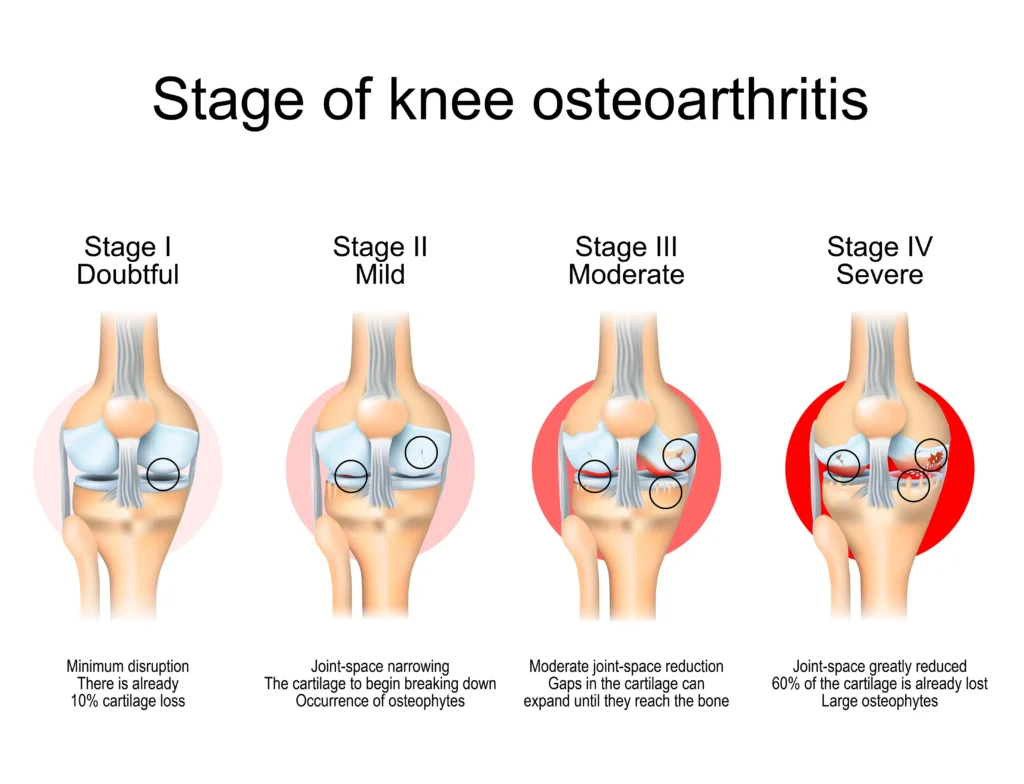
Knee arthritis is a widespread condition that occurs when the protective cartilage in the knee joint wears away over time. This results in pain, stiffness, and reduced mobility. Let’s explore how you can identify and manage knee arthritis through physical therapy:
- Step 1: Recognizing the Signs and Symptoms
- Step 2: Consultation with a Trilogy Physical Therapist
- Step 3: Personalized Physical Therapy Plans
- Step 4: A Holistic Approach to Knee Arthritis
- Step 5: Your Path to Pain-Free Living
The Benefits of Physical Therapy for Knee Arthritis
Physical therapy offers numerous advantages for individuals dealing with knee arthritis:
- Non-Invasive: Unlike medications or injections, physical therapy is a non-invasive approach to pain management, emphasizing natural healing and improved function.
- Customized Care: Your physical therapy plan is tailored to your specific needs, addressing your unique challenges and goals.
- Prevention: Physical therapy focuses on injury prevention, reducing the risk of further damage to your knee joint.
What should I know about joint mobilization?
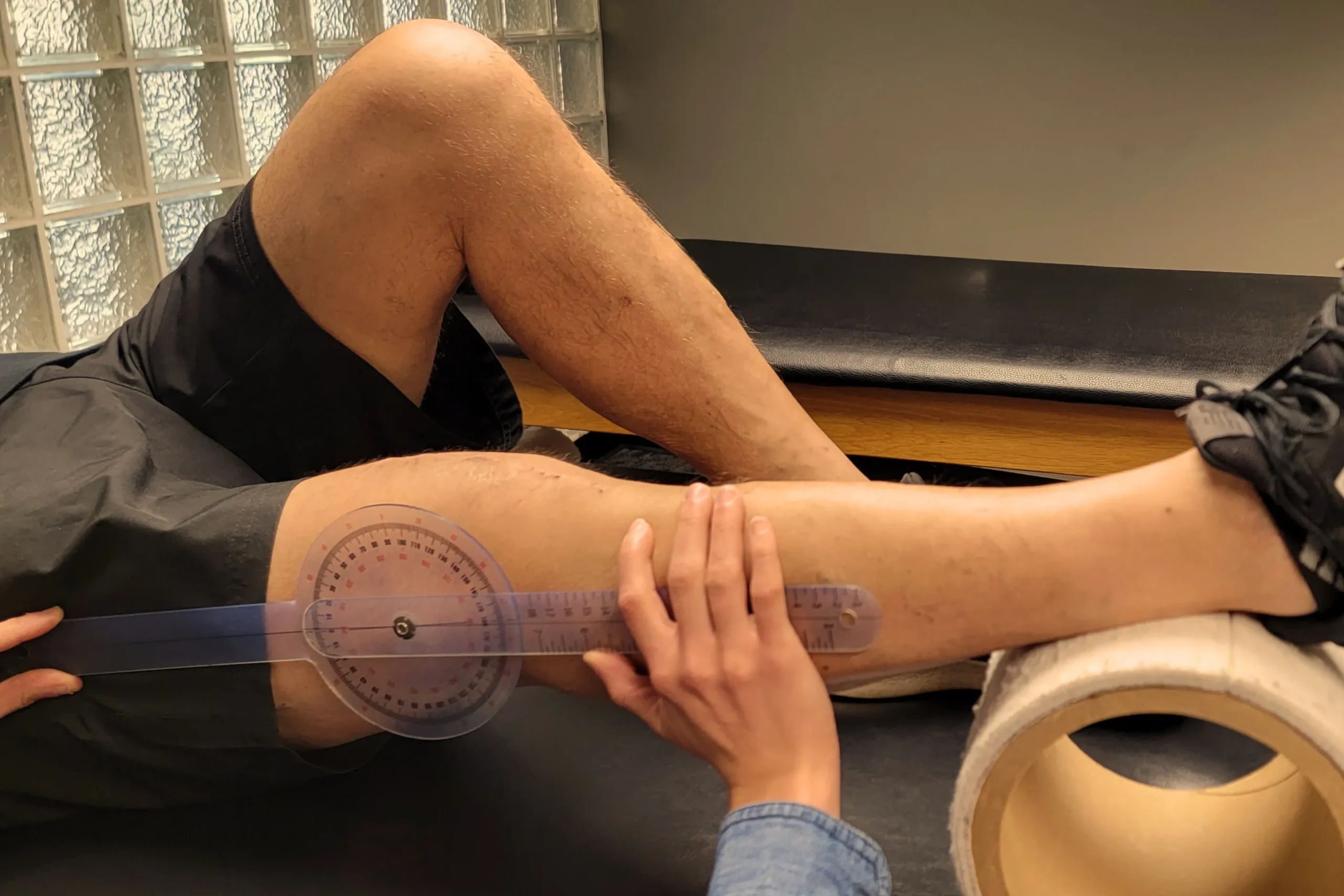
You have hundreds of joints in your body that come in a variety of shapes and sizes (such as a “hinge joint” in your elbow, a “ball and socket joint” in your hip, or a “saddle joint” in your thumb). Your joints depend on a combination of stability and mobility to help you function efficiently and comfortably. Your joints are supported by a wide range of physiological structures, including ligaments, tendons, capsules, cartilage, and muscle fibers. All of these structures can be injured but can also benefit from physical therapy treatments, including joint mobilization.
The specific type, magnitude, speed, and frequency of joint mobilization performed depends on a number of factors, including the goal of treatment, the type of joint being targeted, and even your own unique anatomy. The benefits of joint mobilization include the reduction of pain, improved range of motion, and improved quality of the joint movement itself (known as arthrokinematics).

Reducing Knee Swelling:
Proven Physical Therapy Techniques
In our commitment to helping individuals effectively manage knee arthritis, alleviating swelling is a crucial aspect of the process. At Trilogy, our skilled physical therapists use proven techniques and strategies to reduce swelling in the knee, ultimately enhancing your comfort and mobility.
Let’s delve into these techniques in detail:
- Manual Lymphatic Drainage (MLD): MLD, a gentle massage technique, stimulates the lymphatic system to remove excess fluids and reduce knee swelling.
- Compression: By using compression garments, bandages, or specialized units to apply mechanical compression, our physical therapists can effectively prevent fluid buildup, promote circulation, and reduce your swelling.
- Elevation: Proper elevation of the affected knee is a fundamental technique for reducing swelling. Physical therapists instruct patients to elevate the knee to at least 60 degrees (i.e., having your foot on the back of the couch or a physioball) to facilitate the drainage of excess fluid and the reduction of swelling.
- Active Motion: Physical therapists guide patients through controlled movements that promote fluid circulation within the knee, enhance joint mobility, and reduce swelling.
Reducing knee swelling is a critical component of effectively managing knee arthritis. Our dedicated physical therapists utilize a comprehensive range of proven techniques to help you alleviate swelling and improve your overall comfort and mobility. We are committed to assisting you in your journey toward a pain-free and active life.
Recipe of the Month: Rosemary Citrus One Pan Baked Salmon

Ingredients:
- ⅓ cup olive oil
- 1 small orange (2 Tablespoons juice of orange plus thinly sliced orange slices)
- 1 Tablespoon lemon juice
- ½ teaspoon garlic, minced
- ¼ teaspoon orange zest (grated orange peel from orange)
- 2 Tablespoons fresh rosemary, plus extra to garnish (1 tsp dried rosemary may be substituted)
- 2 –3 teaspoons honey
- 10–12 ounces sockeye salmon (whole fillet or three 4 ounces fillets)
- Pinch of sea salt
- Optional – thinly sliced orange or lemon
- Optional- 2 cups chopped/sliced veggies of choice (i.e broccoli, asparagus, green beans, etc.)
- Additional seasoning of choice or salt and pepper to taste
Instructions:
- Whisk together the olive oil, orange juice, lemon juice, garlic, orange zest, 2 tablespoons rosemary, and optional honey. Set the mixture aside.
- Grease or oil a large baking dish. Place the salmon in the baking dish, skin side down. Season the salmon with a pinch of salt.
- Preheat the oven to 400 degrees Fahrenheit.
- Brush the orange rosemary on top of the salmon, and place the salmon in the fridge to marinate for 5-10 minutes while the oven preheats.
- After 5-10 minutes, add thin orange slices on top of the salmon (optional), and toss veggies of choice with the reserved marinade or 2 teaspoons of olive oil, lemon juice, or seasoning of choice.
- Place the tossed veggies (if using) around the salmon in the pan.
- Place the baking dish in the oven for 12-15 minutes or until the salmon is no longer opaque in the middle and the vegetables are cooked through.
- Let the salmon rest for 3 minutes before serving.
- Add additional salt and pepper to taste.
Sources
- https://academic.oup.com/heapro/article-abstract/35/5/1037/5574602
- https://journals.sagepub.com/doi/full/10.1177/1557988317723424
- https://www.thelancet.com/journals/lancet/article/PIIS0140-6736(20)31303-9/fulltext
- https://pubmed.ncbi.nlm.nih.gov/26492389/
- https://medlineplus.gov/menshealth.html
- https://www.cottercrunch.com/rosemary-citrus-one-pan-baked-salmon/#tasty-recipes-43144